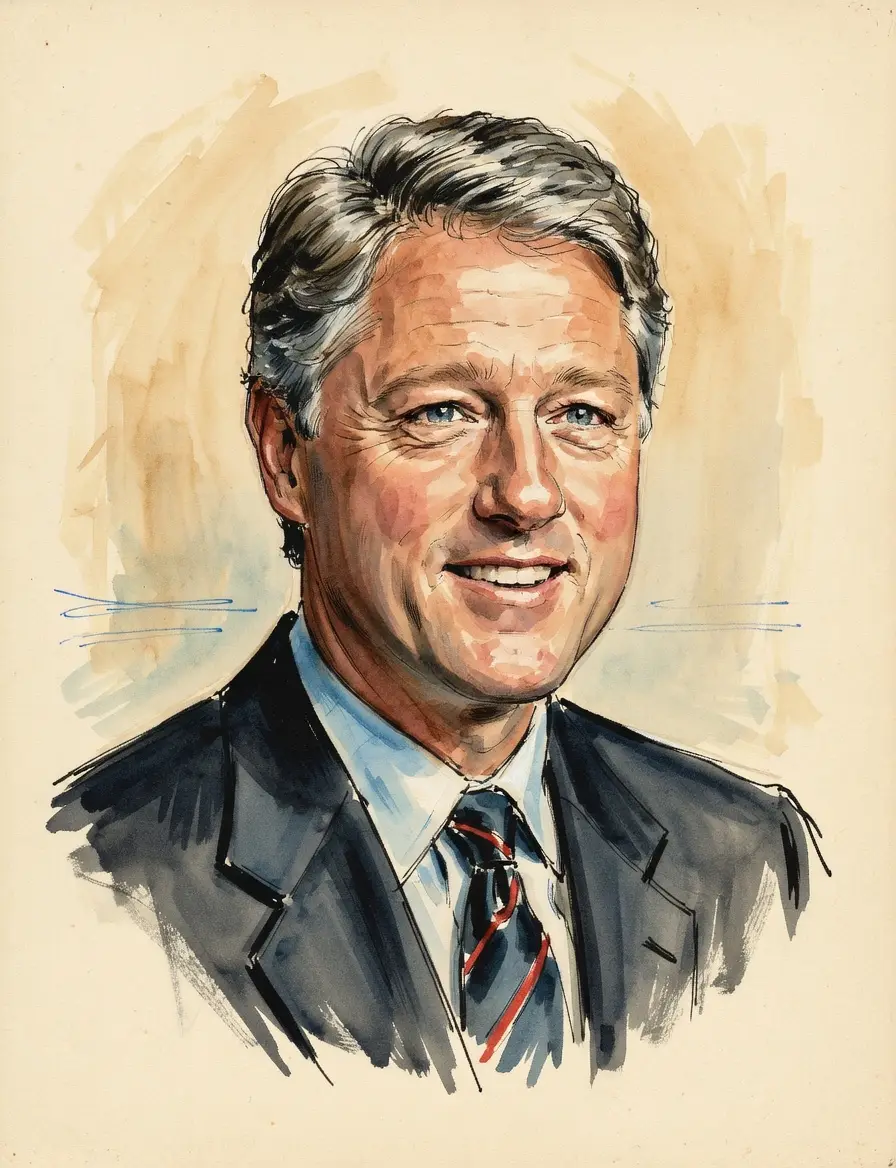
Bill Clinton on Welfare Reform
TL;DR
Bill Clinton signed sweeping bipartisan welfare reform in 1996, replacing entitlement with work requirements and time limits.
Key Points
He signed the Personal Responsibility and Work Opportunity Reconciliation Act (PRWORA) into law on August 22, 1996.
The reformed system replaced the entitlement AFDC with the TANF block grant program, implementing five-year lifetime limits on benefits.
In January 1995, he stated that welfare reform required a New Covenant of opportunity and responsibility, including work requirements and child support payment enforcement.
Summary
Bill Clinton ultimately signed the Personal Responsibility and Work Opportunity Reconciliation Act (PRWORA) on August 22, 1996, fulfilling a campaign pledge to "end welfare as we know it." This landmark legislation replaced the long-standing Aid to Families with Dependent Children (AFDC) entitlement program with the Temporary Assistance for Needy Families (TANF) block grant, giving states greater latitude in administering aid. The core of the reform involved imposing a five-year lifetime limit on federal benefits and, crucially, establishing work requirements, meaning recipients who could work were expected to seek employment or engage in work preparation. He supported the final bill because it was much improved over two earlier versions he vetoed, as the final version better protected children and increased the push from welfare to work.
However, the position involved an evolution, as initially the administration appeared to prioritize universal healthcare over detailing a welfare plan, leading to accusations of stalling from the opposition. While signing the bill, the former president acknowledged it was "far from perfect," having compromised with the opposition on a final text that aimed to break cycles of dependency and inject the ethic of work into the system. The reform aimed to promote responsibility, encourage two-parent families, and reduce out-of-wedlock births, though critics noted that the final act preserved only one of the ninety total welfare-style programs in the federal structure.
Key Quotes
Today, we are ending welfare as we know it.
Frequently Asked Questions
Bill Clinton's most significant action on welfare reform was signing the Personal Responsibility and Work Opportunity Reconciliation Act in 1996. This act fundamentally changed the federal approach by replacing the open-ended entitlement of AFDC with the block-granted TANF program. He supported it as a bipartisan measure that emphasized personal responsibility through mandatory work.
Yes, the position appeared to evolve during his presidency. While he campaigned on ending welfare as he knew it, initially, his administration appeared to delay acting on the issue while focusing on healthcare reform. He ultimately signed the bill after vetoing two previous, more conservative versions sent by Congress.
Upon signing the legislation, Bill Clinton stated that it provided a chance to break the cycle of dependency and restored the dignity and ethic of work. He also acknowledged that the bill was not perfect but was significantly better than the two preceding bills he had vetoed. His goal was to move citizens from dependency to the world of work.
Sources7
Welfare Reform (Part 1) | The Heritage Foundation
Preserving Work Requirements for Welfare Programs Act | Committee on Education & the Workforce
Bill Clinton Killed the Myth of the Welfare Queen | CLASP
Personal Responsibility and Work Opportunity Act - Wikipedia
How Did Bill Clinton's Welfare Reform Turn Out? | Cato Institute
The 1996 Personal Responsibility and Work Opportunity Reconciliation Act in the US - Centre for Public Impact
Remarks on Welfare Reform | The American Presidency Project
* This is not an exhaustive list of sources.