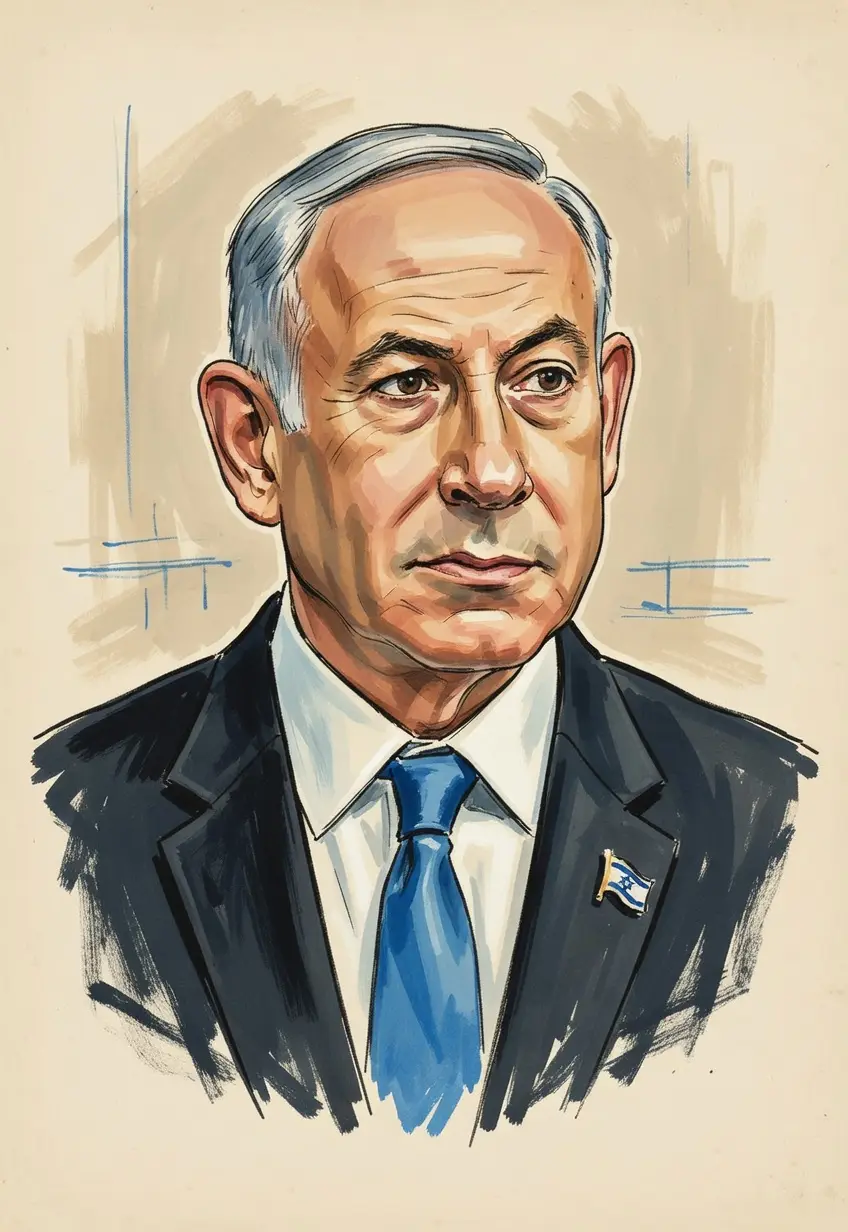
Benjamin Netanyahu on Vladimir Putin
TL;DR
Benjamin Netanyahu maintains regular high-level contact with Vladimir Putin to safeguard Israel's essential security interests.
Key Points
He regularly speaks with the Russian President to serve Israel's "vital interests," including defense of the northern border.
Following a telephone conversation on 2026-01-16, the leaders discussed the situation in the Middle East and Iran.
During a call on 2025-10-06, the President of Russia reiterated support for a Palestinian resolution based on international law.
Summary
Benjamin Netanyahu has consistently framed his relationship with Russian President Vladimir Putin as a necessary, pragmatic engagement crucial for advancing Israel's security objectives. The Israeli leader has frequently stated that he speaks with his Russian counterpart on a regular basis, specifically citing the need to safeguard the nation's vital interests. This direct communication channel is presented as vital for managing complex regional dynamics, particularly concerning security arrangements on Israel's northern border and strategic issues involving Iran.
This personal relationship has served as a key component of Israeli foreign policy, enabling direct discussion on sensitive regional matters like the situation in Syria and de-confliction. Despite broader international tensions involving Russia, Netanyahu has defended the importance of maintaining this bilateral link. Communications have covered topics ranging from US-proposed peace plans to the Jewish holiday of Sukkot, illustrating the varied nature of their direct, high-level exchanges.
Key Quotes
As tomorrow marks Vladimir Putin's birthday, the Prime Minister of Israel gave the Russian President his best wishes.
...
Frequently Asked Questions
Benjamin Netanyahu has stated that he maintains continuous contacts and speaks with President Putin on a regular basis. This frequency is maintained specifically to serve what he describes as Israel's vital interests. These communications occur at various necessary levels as regional situations evolve.
The discussions cover the state of affairs in the Middle East, including crucial security matters like defending Israel's northern border. Topics have also included efforts to stabilize the situation in Syria and the question surrounding Iran's nuclear program. The engagement is presented as necessary for regional stability.
The public messaging emphasizes a consistent, long-standing personal relationship necessary for pragmatic security management. While specific regional issues change, the fundamental approach of maintaining this direct line of communication with the Russian leader appears constant. He defends this engagement as serving essential national goals.
Sources3
Telephone conversation with Prime Minister of Israel Benjamin Netanyahu
In Knesset debate, Netanyahu says he regularly talks to Putin to safeguard Israel's 'vital interests' | The Times of Israel
* This is not an exhaustive list of sources.