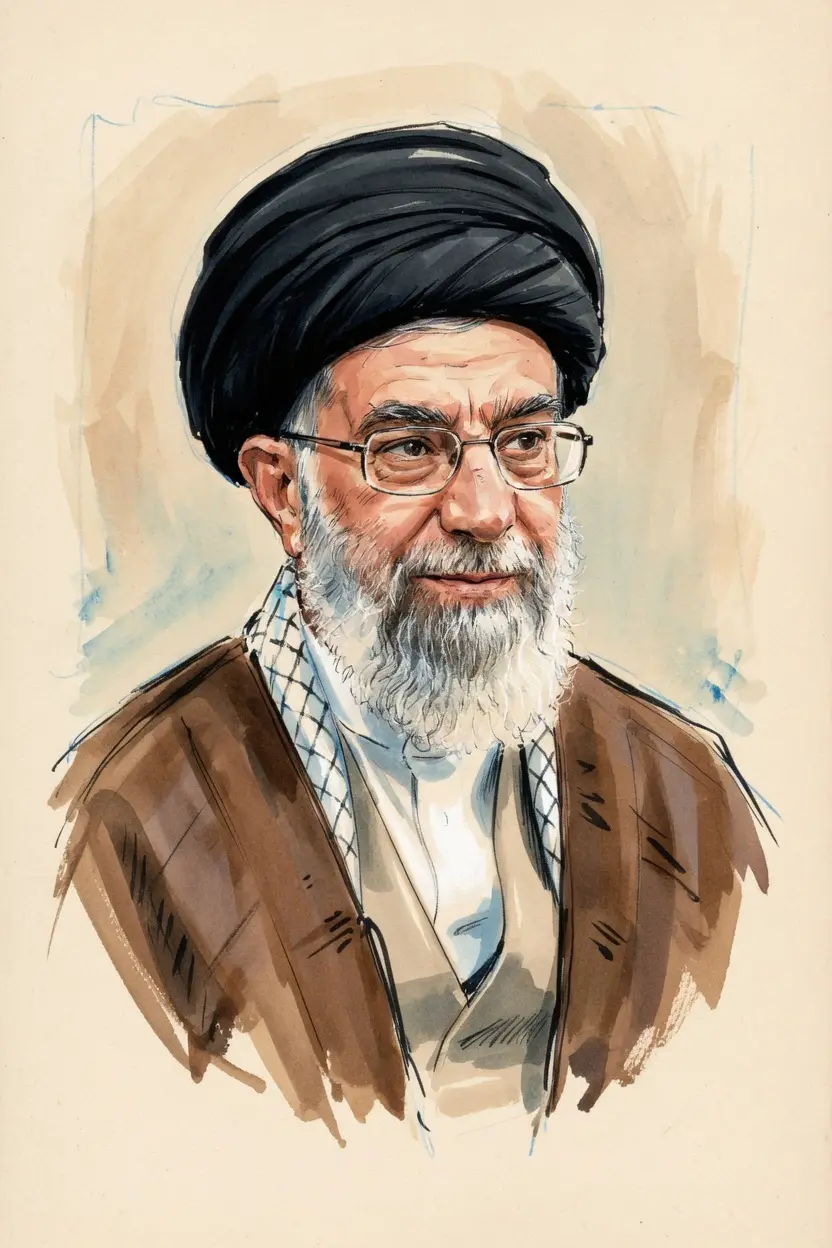
Ayatollah Ali Khamenei on Sunni Islam
TL;DR
Ayatollah Ali Khamenei actively promotes Islamic unity while issuing specific rulings against insulting revered Sunni figures.
Key Points
He issued a binding fatwa on 30 September 2010, prohibiting disrespect toward revered Sunni figures, specifically after the insulting of Aisha.
He has made public calls for an end to discrimination against Sunni Muslims within the Islamic Republic of Iran.
The killing of the Ayatollah in early March 2026 divided Muslims globally, mostly along the pre-existing sectarian lines between Shi'a and Sunni adherents.
Summary
Ayatollah Ali Khamenei, as Iran's supreme clerical authority, takes a public stance that explicitly seeks to bridge sectarian divides, particularly by issuing religious rulings to prevent discord. The most notable evidence of this is a binding fatwa prohibiting the insulting of revered religious figures within Sunni Islam, such as the Prophet Muhammad's wives. This action was taken to stem sectarian tensions, receiving praise from some Sunni scholars and entities who viewed it as a decisive step toward Islamic unity.
Despite these efforts to foster broad Islamic solidarity and taking a firm rhetorical line against shared adversaries like Israel, the political reality within Iran presents a complex context. While he has made public calls for an end to discrimination against Sunnis in Iran, who constitute a significant minority facing systematic exclusion from high-level government posts and restrictions on religious expression, evidence suggests these challenges persist. Therefore, his official position champions unity while the domestic situation for Sunnis remains constrained by the state's Shi'a-centric framework.
Frequently Asked Questions
Ayatollah Ali Khamenei's position emphasizes Islamic unity and actively works to prevent sectarian strife through religious directives. He issued a key fatwa forbidding the insult of revered Sunni figures to promote harmony across the Muslim world. However, this external projection of unity contrasts with the domestic situation of Iran's Sunni minority.
There is no clear indication that his core stance has evolved significantly; he remains the paramount Shi'a authority while simultaneously issuing rulings against sectarian insults. The 2010 fatwa aimed to quash specific inflammatory rhetoric, suggesting a consistent effort to manage sectarian relations.
The Ayatollah resolutely declared that disrespecting the Prophet Muhammad's wives is offensive, as they are all respectable figures. He stressed that such actions insult the Prophet Muhammad himself, using the respectful treatment of Aisha by Ali as a historical example.
Sources4
Why some Muslims are mourning the death of Ayatollah Khamenei as others celebrate
The Sunni–Shi'a Muslim Divide: Why It Matters In The Iran War
Fatwa of Ayatullah Ali Khamenei against insulting revered Sunni figures - Wikivahdat
Myth vs. Fact: Iran's Sunni Muslims — American Iranian Council
* This is not an exhaustive list of sources.