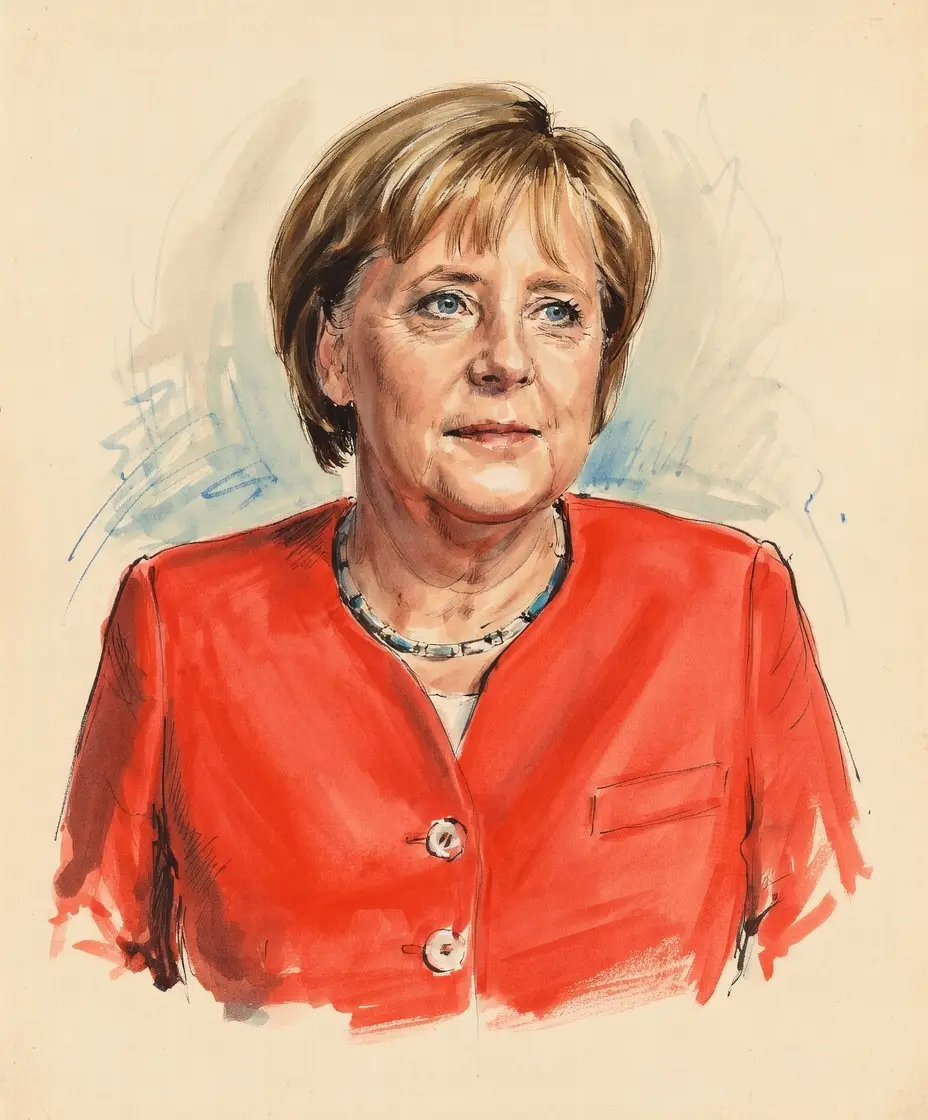
Angela Merkel on Nuclear Energy
TL;DR
Angela Merkel first supported extending nuclear power, then abruptly mandated a complete phase-out after the Fukushima disaster.
Key Points
In August 2010, she extended the life of Germany's 17 nuclear plants by up to 15 years, calling nuclear power a desirable bridging technology.
Following the Fukushima accident in March 2011, she reversed course, committing to a full nuclear phase-out by the end of 2022.
Even after defending the phase-out, she acknowledged that the decision would make it 'harder' for Germany to achieve its climate neutrality goals.
Summary
Angela Merkel's position on nuclear energy underwent a significant and public reversal driven by the 2011 Fukushima disaster in Japan. Initially, in August 2010, her government, in coalition with the FDP, announced an extension of the operational life for Germany's 17 nuclear power plants by up to 15 years, arguing nuclear power was a necessary bridging technology to meet climate and economic goals while managing energy prices. She had previously reversed an earlier phase-out commitment made by her predecessor, stating the original plan was "absolutely wrong."
However, within weeks of the Fukushima accident in March 2011, Merkel executed one of her most spectacular political U-turns, announcing the complete phase-out of nuclear energy by the end of 2022. She stated that the event had "forever changed the way we define risk in Germany," compelling her scientifically-minded approach toward a total exit, despite acknowledging this would make achieving subsequent emissions reduction targets harder. While she later defended the final decision, some accounts suggest she believed in nuclear power from a scientific standpoint, only abandoning it for political expediency after the major accident.
Key Quotes
“I still believe that in the long term nuclear energy isn't a sustainable form of energy production.”
Frequently Asked Questions
Angela Merkel ultimately ensured Germany would complete its phase-out of all commercial nuclear power plants by the end of 2022. This final decision followed the 2011 Fukushima disaster, which prompted a dramatic reversal of her earlier policy to extend reactor lifespans.
No, Angela Merkel's stance was not consistently oppositional; she initially extended the operational lives of nuclear plants in 2010, arguing they were necessary. However, she cited the Fukushima event as the catalyst that changed her view, leading to her most definitive anti-nuclear policy.
The primary reason cited by Angela Merkel for abandoning nuclear energy was the risk assessment shift following the 2011 Fukushima accident in Japan. She expressed that the event fundamentally altered how she and Germany defined and perceived the residual risk associated with nuclear technology.
Sources5
Angela Merkel / 'Nuclear Phaseout Will Make It Harder To Reduce Emissions'
The story of "Climate Chancellor" Angela Merkel | Clean Energy Wire
Germany's Unlikely Champion Of a Radical Green Energy Path
Angela Merkel risks Germans' ire with fresh commitment to nuclear energy
Angela Merkel knew nuclear was the way to go, politics made her stop it. : r/nuclear
* This is not an exhaustive list of sources.