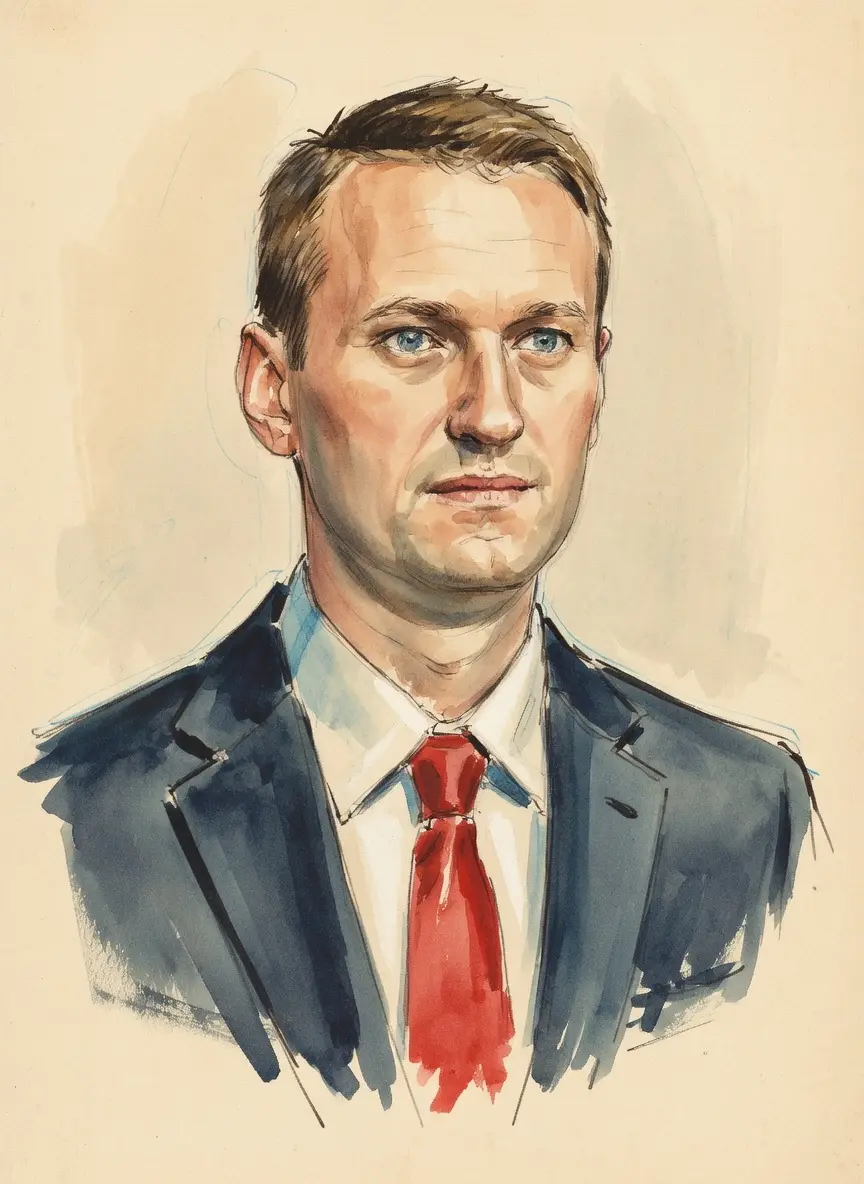
Alexei Navalny on Israel
TL;DR
Alexei Navalny maintained a pragmatic, non-ideological foreign policy outlook, including engagement with Israel as a key regional actor.
Key Points
Maintained correspondence with Natan Sharansky while incarcerated in a Russian penal colony.
His supporters in Israel sought to invigorate local opposition efforts against Vladimir Putin.
His broader political alignment favored pragmatic relations over the Kremlin’s more adversarial foreign policy.
Summary
Alexei Navalny's position on Israel was primarily shaped by his broader goal of reforming Russia's foreign policy away from confrontational stances against Western-aligned nations. While he did not make Israel a centerpiece of his political platform, his general foreign policy perspective implied a willingness to normalize and conduct pragmatic relations with states such as Israel, viewing them through a lens of national interest rather than rigid ideology. Evidence of this connection includes personal correspondence he maintained from prison with a prominent Israeli-Russian figure known for his human rights advocacy.
This subtle but existing connection is significant because his broader political movement sought to distinguish itself from the Kremlin's long-standing anti-Western rhetoric, which often colored Moscow's stance toward Israel. Supporters and allies of the late opposition leader within Russia and the diaspora have actively engaged with Israeli political figures and communities, seeing Israel as a potential partner against authoritarianism. The overall context suggests that, had he governed, his approach would likely have prioritized economic and diplomatic ties over geopolitical antagonism.
Frequently Asked Questions
Alexei Navalny did not articulate an extensive, detailed policy on Israel, but his general foreign policy stance favored pragmatic engagement over confrontation. This approach differed from the Kremlin's long-standing ideological posturing toward the region. His overall outlook suggested a move toward normalizing diplomatic and economic ties with key regional actors like Israel.
Yes, he maintained a personal connection through correspondence from prison with prominent figures who have strong ties to Israel, such as Natan Sharansky. This suggested a mutual recognition of shared values concerning human rights and opposition to authoritarianism. Furthermore, his supporters in Israel actively worked to promote opposition to the current Russian government.
The available information does not strongly indicate a significant evolution in his stance regarding Israel itself. His position appears consistent with his overarching pragmatic foreign policy vision for Russia, which focused on ending aggressive confrontation with the West. Therefore, his general approach towards Israel remained ideologically neutral and interest-based.
Sources9
Mourning Navalny, Russian expats hope to invigorate Israeli opposition to Putin
Russian Dissident Navalny Corresponded From Prison With Natan Sharansky
Kremlin critic Alexei Navalny's supporters in Israel have taken to the streets to protest his death
Israel’s Options, Plus Navalny’s Legacy and Ranking U.S. Presidents | Dan Senor
Israel’s Options, Plus Navalny’s Legacy and Ranking the U.S. Presidents
Navalny and Sharansky: Prison letters from Russia
Alexei Navalny death: Israel’s Nassar Hospital treats wounded Gazan
The Color of Courage: Navalny
The Navalny I Know
* This is not an exhaustive list of sources.