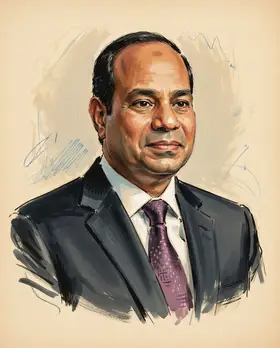
Abdel Fattah el-Sisi on Nationalism
TL;DR
Abdel Fattah el-Sisi's nationalism emphasizes a unique, race-based Pharaonic identity, deliberately distinguishing Egypt from broader Arab or Islamic nationalisms.
Key Points
The state promoted a nationalist discourse encouraging pharaonic identity politics, or neo-Pharaonism, between April 2021 and April 2023, initially through mega-spectacles like the Pharaohs' Golden Parade.
This form of nationalism, which underscores Egyptian race exceptionalism, is often framed as antagonistic to or at the expense of Arab or African identity.
The president stated that achieving national goals requires building a civil democratic state based on a commitment to national consensus while decisively confronting forces of extremism and terrorism, in a September 2014 UNGA address.
Summary
Abdel Fattah el-Sisi's administration actively promotes a specific brand of nationalism, often termed neo-Pharaonism, which underscores the exceptionality of the Egyptian race by linking contemporary Egyptians to ancient pharaohs. This discourse, exemplified by grand state spectacles, is seen as a deliberate move away from the pan-Arab or pan-Islamic currents favored by successive past presidents. While asserting this Pharaonic identity, the state simultaneously utilizes conspiracy theories and appeals to national defense to legitimize its rule and suppress domestic grievances, especially amid economic crises.
The promotion of this neo-Pharaonic identity has been a more aggressive turn, particularly evident when the state has officially taken a stance on race-related issues, such as commenting on an actress's portrayal of Cleopatra. This intense focus on a distinct national identity serves as a primary ideological tool for the regime in the 'Second Republic,' contrasting with the previous era's focus on pan-Arabism, as the current leadership prioritizes internal strength and state-centric developmental projects. The state's rhetoric frames building this civil, democratic state as dependent on adhering to this nationalism while decisively confronting forces of extremism.
Frequently Asked Questions
Abdel Fattah el-Sisi's position heavily leans toward a distinct Egyptian nationalism centered on Pharaonic identity, often referred to as neo-Pharaonism. He promotes this through state-sponsored cultural events and media campaigns. His stance prioritizes this unique Egyptian identity over the broader pan-Arab or pan-Islamic narratives that characterized previous eras.
Yes, analysts suggest there has been an evolution in the type of nationalism promoted under his rule. It appears to have shifted from an early period that sometimes referenced Arab nationalism to a more direct and aggressive articulation of a racialized, neo-Pharaonic identity starting around 2023. This shift is considered a break from recent historical nationalist currents.
In a 2014 address to the UN General Assembly, President el-Sisi framed the national project as building a civil democratic state while adhering to a nationalistic identity to confront extremism. He emphasized Egypt's Arab identity and African roots while seeking to build stability through the rule of law and national consensus.
Sources8
Egypt's Racial Nationalism: Neo-Pharaonism as a Tool of the State
Sisi's Egypt Leans on Pharaohs and Megaprojects, but Legitimacy Slips Away
Egyptian Leadership in Historical Perspective: Abdel Fattah El-Sisi & Gamal Abdel Nasser
Abdo Challenges Trumpo... Sisi... Nasser's Nationalism and Sadat's Cunning: By Mustafa Kamal Al-Amir
Egypt Under El-Sisi: Authoritarian Grip and the GERD Diversion
The Second Republic: Remaking Egypt Under Abdel-Fattah el-Sisi
Egypt under Arab nationalism and Al-Sisi
Statement by H.E. President Abdel Fattah El Sisi at 69th UNGA Session
* This is not an exhaustive list of sources.